Understanding AC Capacity for Multi-Story Tampa Homes
Published: 2026-06-02 · By ProCold Air Conditioning Repair
Living in Tampa often means enduring the sweltering summer heat, especially in multi-story homes where uneven cooling can wreak havoc on comfort levels. As AC systems bear the brunt of soaring temperatures combined with high humidity, understanding the capacity required for your specific property becomes crucial. Not only does this impact your energy efficiency, but it can also protect your investment against the salt air's corrosive effects and the heavy rain from tropical storms.
Why This Matters for Tampa Homeowners
For Tampa homeowners, the importance of AC capacity cannot be overstated. Given our unique combination of tropical climate and coastal conditions, inadequate air conditioning can lead to a multitude of issues. Homes that sit elevated to avoid flooding are often poorly insulated, translating to cooled air escaping quickly and leaving rooms uncomfortably warm.
Air conditioning systems that are too small will run continuously, attempting to keep up with demand, which can lead to breakdowns during peak times. Conversely, systems that are oversized may lead to short-cycling, where the unit turns on and off rapidly, causing inconsistent temperature control and increased costs on your utility bill.
Understanding the balance of AC capacity is vital for maintaining comfort and efficiency. Properties built to withstand Tampa's climate should have systems designed appropriately to navigate the season's challenges.
Expert Solutions & Actionable Tips
1. Calculate Your BTU Requirements
Understanding your home's BTU (British Thermal Unit) requirements is the first step in selecting the right air conditioning unit. For an average Tampa home, each square foot typically requires 20 BTUs. Thus, a 2,000-square-foot home would need around 40,000 BTUs. Consider conducting a room-by-room assessment to pinpoint specific cooling needs, especially for rooms with large windows or high ceilings.
Hiring an HVAC professional to carry out a detailed manual J calculation can further refine your AC capacity estimates. This service can cost between $150 and $300 but is often worth the investment to ensure optimal cooling without excess energy expenditure.
2. Consider Humidity Control
Tampa's oppressive humidity can lead to improper cooling if not managed correctly. Look for air conditioners with built-in dehumidification capabilities, or consider pairing your system with a separate dehumidifier. These systems can enhance comfort without requiring an increase in cooling capacity.
The cost for dehumidifiers can range from $1,000 to $2,500, but their efficiency in reducing indoor humidity can help your primary AC unit function more effectively and lower your energy bills.
3. Seasonal Maintenance Checks
Your AC unit requires consistent maintenance, especially in a humid environment. Scheduling bi-annual service checks can help identify any potential issues before they escalate. Professional servicing in Tampa typically costs between $100 and $200 per visit.
Regular cleaning of filters and coils and checking for salt air corrosion are critical. Being proactive can extend the life of your unit significantly, ensuring it operates efficiently during the hottest months.
4. Insulation Matters
Although many Tampa homes are raised, ensuring your insulation is adequate can reduce the workload on your AC system. Insulating your attic, walls, and even crawl spaces can significantly improve energy efficiency.
Blown-in insulation can cost between $1,500 and $3,000 depending on the size of your home, but the energy savings it provides can be substantial, helping your AC perform at its ideal capacity.
5. Social Media Insights
Join local Tampa forums or social media groups dedicated to homeowners where you can gain insights into others' experiences with AC issues. Asking for advice can help you identify reputable HVAC companies.
Moreover, learning from your neighbors’ tips can lead you to lifestyle changes that optimize your home's cooling without needing extensive modifications.
6. Window Treatments
Installing window treatments can significantly affect how much heat enters your home. Consider reflective window films, shades, or blackout curtains to keep your rooms cooler. These modifications may cost you anywhere from $200 to $1,000, but they can lead to direct savings on your monthly AC bill.
Every small step towards heat reduction contributes to extending the lifespan of your air conditioning system and ensuring it runs smoothly all season long.
Tampa Climate & Local Context
Tampa's unique weather conditions necessitate specific considerations when it comes to AC systems. With high humidity, salt air corrosion is a significant concern for many homeowners. Elevation construction allows for better flood protection, but moisture barriers and sufficient insulation are critical in preventing moisture problems that can affect indoor air quality.
Additionally, local code regulations can dictate what types of AC systems and installations are permissible. Before any installation or repair, homeowners should consult with local providers to ensure compliance with all city and state requirements, avoiding future hassles with inspections and fines.
When to Call a Professional
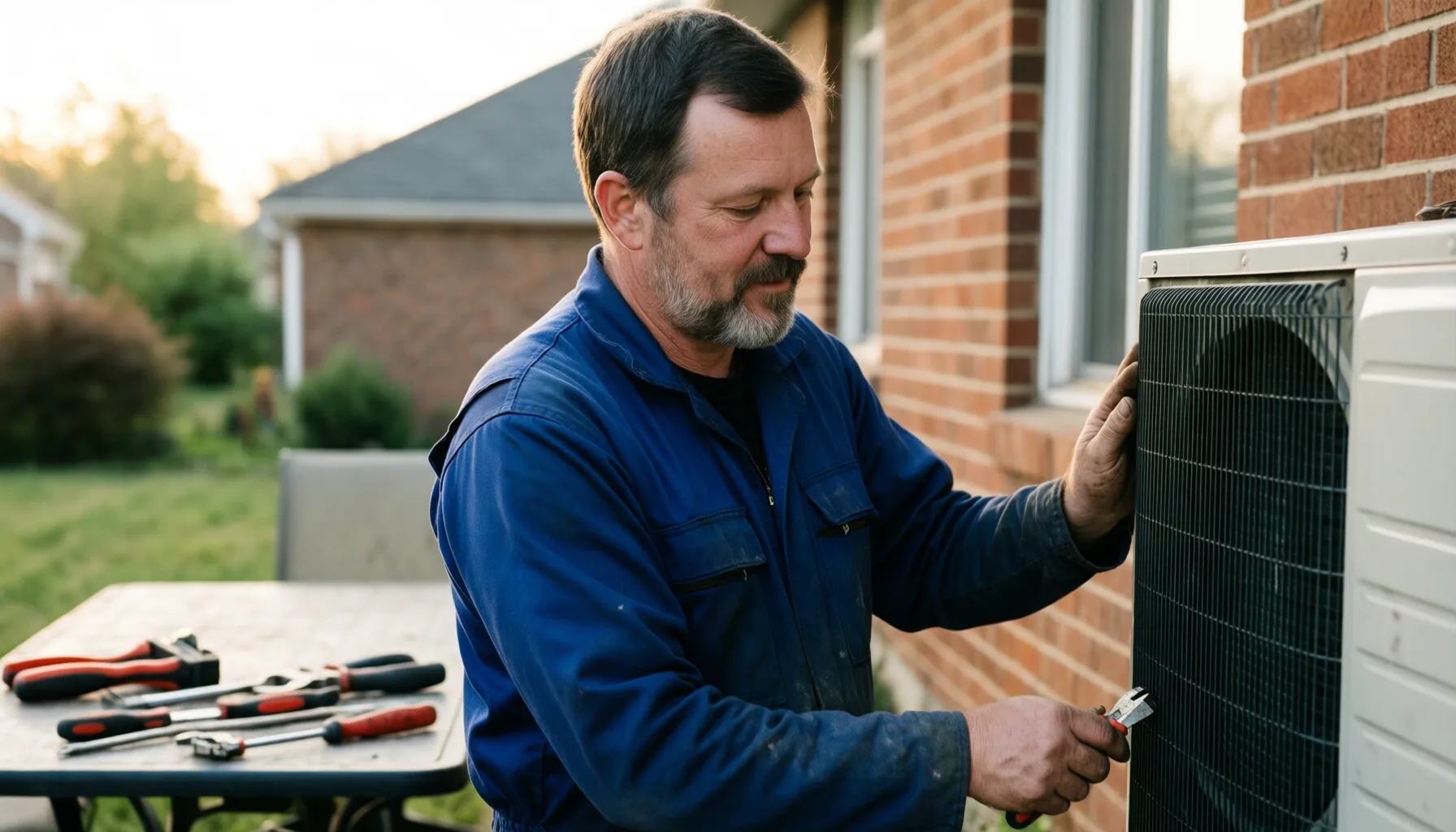
While some minor maintenance tasks can be managed by homeowners, there are situations where it’s crucial to involve a professional. DIY tasks include changing filters and clearing debris from around the external unit; however, the following scenarios should always prompt a call to a qualified HVAC technician:
- Signs of refrigerant leaks
- Unusual sounds from the unit
- Foul odors in the home
- Inconsistent airflow between rooms
- Age of the unit over 10 years and frequent breakdowns
- Significant energy bill increases without a change in usage
Consulting a professional will ensure safety and proper operation, especially given the complexities of multi-story AC systems in humid environments.
Frequently Asked Questions
What size air conditioner do I need for my multi-story Tampa home?
A typical rule of thumb is roughly 20 BTUs per square foot. However, it's recommended to coordinate with an HVAC expert who can calculate specific needs based on your home’s layout and exposure.
How often should I service my air conditioner?
For optimal performance in Tampa's climate, it’s advisable to schedule service checks at least twice a year, ideally before summer and winter.
Can I install an AC unit myself?
While you can handle minor tasks, full installations should be completed by licensed professionals to ensure proper sizing and compliance with local regulations.
What are the signs my AC system is failing?
Look for inconsistent temperatures, high energy bills, unusual noises, or strange smells emanating from your unit. These could indicate serious issues.
Why is humidity control important in Tampa homes?
Managing humidity not only affects comfort but also prevents mold growth and protects your AC unit from excessive strain, improving its lifespan.
Get Expert Air Conditioning Repair Service in Tampa
When it comes to AC capacity and performance in Tampa’s unique environment, ProCold Air Conditioning Repair stands ready to assist you. Don't let the heat become unbearable; instead, reach out to our team for an assessment today!
Call us at (656) 208-5462 and let ProCold Air Conditioning Repair help keep your home comfortable year-round.